
Built around unsolved problems in Power Electronics
Helionix was not formed around a market trend. It was formed around a specific thermal-management and switching-performance challenge in advanced power architectures that conventional integration approaches struggled to address simultaneously.
The challenge in advanced switching systems is not only the device—it is managing the thermal boundary layer without introducing switching, packaging, or integration tradeoffs.
SolMOS aims to improve how high-power electronic systems distribute heat, share current, and protect against electrical faults in next-generation energy systems.
SolMOS combines switching, thermal management, and protection within a unified architecture engineered to address thermal boundary-layer effects at the module level—not through downstream board-level compensation.
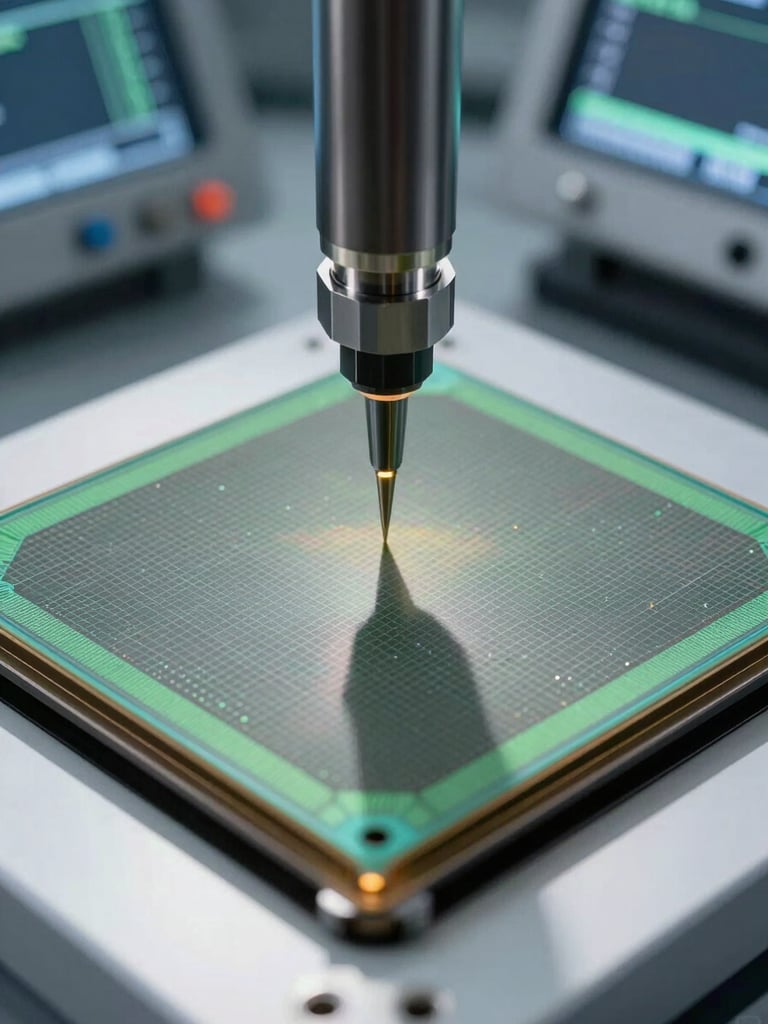
SolMOS unifies semiconductor switching, aerospace reliability principles, and intelligent power-system control into a scalable modular architecture.
Helionix started from a power-architecture problem: modern high-efficiency systems were reaching thermal and integration limits because switching, protection, and thermal management were engineered separately. SolMOS was conceived to unify those functions into one scalable subsystem architecture.
Helionix was founded by a team driven by mission-critical systems thinking and a belief that modern power electronics required deeper subsystem integration. The company’s approach combines operational reliability principles with scalable power-architecture design for next-generation electrified infrastructure.
Justine Ramos
Founder/Architecture Designer


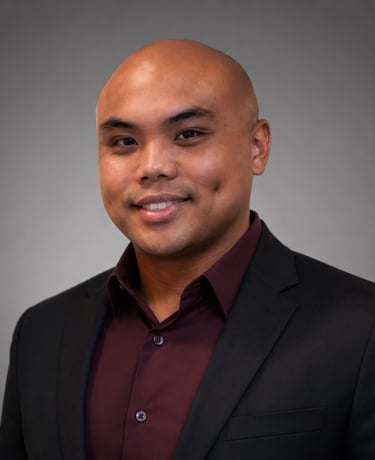
Justine Ramos is the founder of Helionix, a power electronics company developing SolMOS, a modular intelligent power architecture designed to improve the efficiency, reliability, and thermal performance of modern electric systems.
Justine brings a unique background across military leadership, emergency and trauma nursing, operations management, and technical commercialization. He served in the U.S. Marine Corps from 2009 to 2015 and has continued serving in the Army Reserves as a nurse, where he has held leadership roles overseeing training, logistics, property accountability, and mission readiness.
Richard Girardin
Advisor —Product, Manufacturing, and Defense Applications
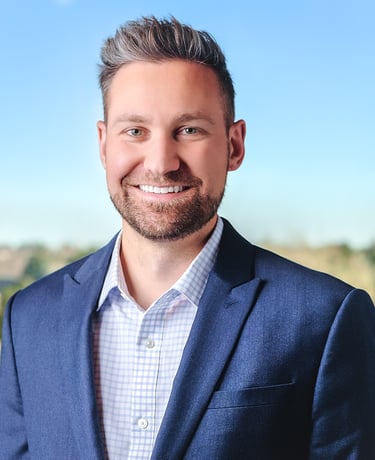
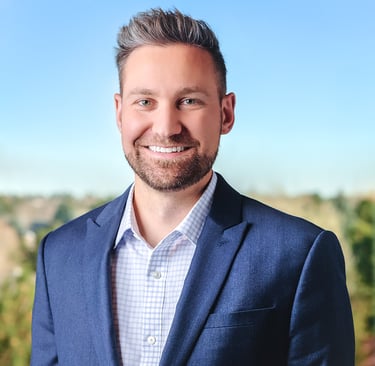
Richard Girardin is an aerospace product leader based in Denver, Colorado, with experience across satellite systems, government programs, manufacturing strategy, and scalable product development.
Rich advises Helionix in a personal capacity, providing general industry perspective on high-reliability aerospace applications and manufacturability considerations for advanced semiconductor technologies.
Isaiah Tilley
Technical Advisor — Electrical Testing and Systems Validation
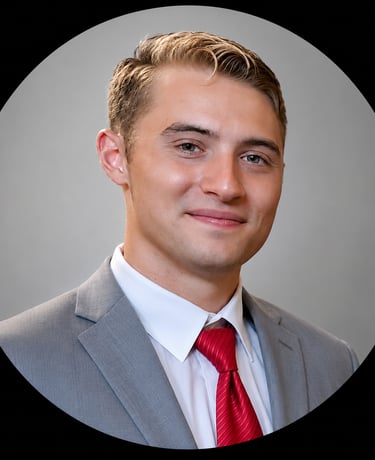
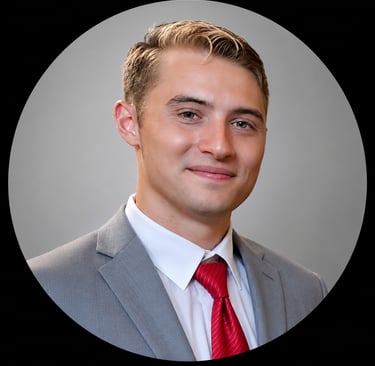
Isaiah Tilley is an Electrical Test Engineer with experience in electrical testing, validation, and applied engineering development. His background supports Helionix’s work on SolMOS by helping guide practical test strategy, system-level validation, and engineering discipline as the platform moves from proof of concept toward measurable technical milestones.
Isaiah advises Helionix in a personal capacity, providing technical perspective on electrical performance, test planning, and validation pathways needed to support reliable power electronics development.